
Things Visible & Invisible Episodes
New episodes are released on YouTube daily at 3pm EST and will be published here and on Spotify within 24 hours. Watch on YouTube now.
JFK & Ruby: Why Dorothy Kilgallen Had to Be Silenced
Dorothy Kilgallen was more than a celebrated journalist and television personality—she became one of the most determined investigators of the JFK assassination. Refusing to accept the official narrative, Kilgallen pursued leads connecting Lee Harvey Oswald, Jack Ruby, and alleged mafia involvement, uncovering contradictions that many believe pointed to a larger conspiracy. Her mysterious death in 1965, along with the disappearance of key notes and manuscripts, has fueled decades of speculation about whether her search for the truth made her a target. This article explores Kilgallen’s fearless investigation, the controversies surrounding her death, and why her legacy still resonates in today’s debates over transparency, power, and investigative journalism.
Was Beatlemania Social Engineering?
Was the rise of the Beatles, punk rock, and modern pop culture truly organic—or carefully engineered? This provocative deep dive explores claims surrounding the Tavistock Institute, psychological warfare, and the hidden forces allegedly shaping music, celebrity culture, and mass opinion for decades. Drawing on insights from researcher Mark Devlin, the article examines how entertainment may function as a powerful tool for social engineering, influencing everything from youth identity to political beliefs. From manufactured rebellion to the illusion of cultural choice, discover the theories behind the “invisible hand” guiding mainstream culture—and why critical thinking matters more than ever.
Roswell: What the Government Hid
In the summer of 1947, a mysterious crash in the New Mexico desert sparked a UFO legend that decades of official explanations have failed to put to rest. Dive into the eyewitness accounts, cover-ups, and unanswered questions that keep the Roswell mystery alive—and discover why the truth may be stranger than we've been told.
What was Dracula Really About?
In 1870s Dublin, long before Dracula cast its shadow across the world, Bram Stoker was quietly shaping the mind that would create it. Newly uncovered journal entries reveal a man caught between logic and imagination—a civil servant by day, a storyteller by instinct—absorbing the folklore, intellectual rigor, and cultural energy of his Irish upbringing. These formative years, rich with myth, discipline, and curiosity, would become the hidden blueprint for one of literature’s most enduring figures, proving that the roots of Dracula run far deeper than Transylvania—they begin in Dublin.
The Invisible Society Running the World?
Hidden between history and legend, the Rosicrucians emerge as one of the most intriguing mysteries of the early modern world—an “invisible society” that may never have formally existed, yet profoundly shaped the course of ideas. Born in the turbulence of 17th-century Europe, their manifestos called for a radical reformation of knowledge, spirituality, and society, challenging authority and inspiring generations of thinkers, scientists, and reformers. Whether myth, movement, or something in between, the Rosicrucians left behind more than secrecy—they sparked a legacy of curiosity, freedom, and intellectual transformation that still echoes today.
Did This Idaho Farmboy Invent TV?
Before televisions flickered in living rooms around the world, before the moon landing was broadcast into millions of homes, a teenage farm boy from rural Idaho sketched an idea that would change history. Philo T. Farnsworth didn’t work in a grand laboratory or for a powerful corporation—he dreamed up electronic television while plowing fields and studying science magazines in his attic. Though corporate giants later battled for control of his invention, it was Farnsworth’s revolutionary vision that made modern video possible. This is the story of the forgotten genius who gave the world its window to history—and why his legacy deserves to be remembered today.
Victorian Séances: Fake… Until Something Answered Back
In 1848, a series of mysterious knocks in a New York farmhouse sparked a movement that would captivate the Victorian world. From the Fox sisters’ séances to heated battles between science and faith, spiritualism offered hope, spectacle, and the tantalizing promise of life beyond the grave. Discover how this extraordinary craze blurred the line between belief and performance—and why its echoes still linger today.
Did He Inspire Ancient Aliens? What Happened Next Doesn’t Add Up
H.P. Lovecraft never intended his cosmic horrors to be mistaken for history—but over time, his ancient alien gods and forbidden texts slipped from pulp fiction into conspiracy lore. From influencing ancient astronaut theories to shaping modern UFO mythology, Lovecraft’s mythos blurred the line between imagination and belief. His legacy reveals how easily compelling storytelling, esoteric ideas, and a hunger for hidden truths can transform fiction into “fact” in the public mind.
Another Messiah? What They Left Out...
Most believers know the promise of a triumphant Messiah—but few have heard of Messiah ben Joseph, the hidden, suffering redeemer found in ancient Jewish tradition. Drawing on the research of theologian David T. Mitchell, this article uncovers the biblical and rabbinic roots of a Messiah destined to suffer, die, and rise again—long before Christianity emerged. Could this forgotten figure reshape how we understand prophecy, faith, and the connection between Judaism and Christianity?
Did Dracula’s Cape Follow Lugosi to the Grave?
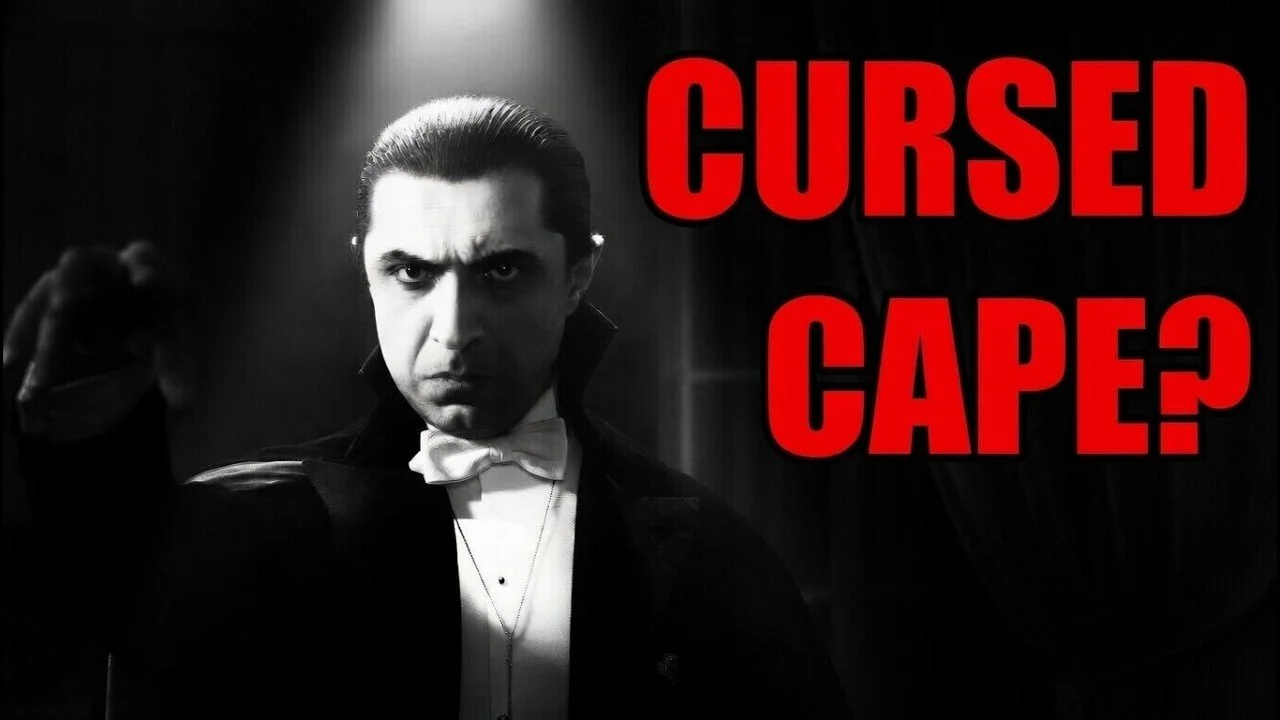
Bela Lugosi wasn’t just the first great Dracula—he became the definitive image of the vampire for generations to come. From his early days on Transylvanian stages to the heights of Hollywood fame, Lugosi’s life was marked by ambition, exile, reinvention, and an unwavering devotion to his craft. Though financial struggles and myth often shadowed his later years, his hypnotic screen presence and singular portrayal of Dracula cemented a legacy that refuses to fade. Decades later, the man behind the cape remains as captivating as the character he made immortal.
Who Killed RFK? And Why?
Moments after winning the 1968 California primary, Robert F. Kennedy was assassinated—an event officially blamed on lone gunman Sirhan Sirhan, yet riddled with inconsistencies that still raise serious doubts. From conflicting eyewitness accounts to questionable forensic evidence and suppressed files, researchers like Lisa Pease argue the full truth behind RFK’s death may be far more complex than the official story suggests.
Lennon & the Occult: Stranger Than Anyone Realised?
John Lennon was more than a Beatle—he was a restless seeker drawn to life’s deepest mysteries. Haunted by childhood loss and driven by a longing for belonging, Lennon explored everything from organized religion and Eastern philosophy to psychedelics, numerology, and even unexplained supernatural encounters. His spiritual curiosity fueled both controversy and creativity, shaping iconic songs that still resonate with seekers today. In this revealing look beyond the fame, we uncover how Lennon’s fascination with the unseen profoundly influenced his music, his relationships, and his enduring legacy.
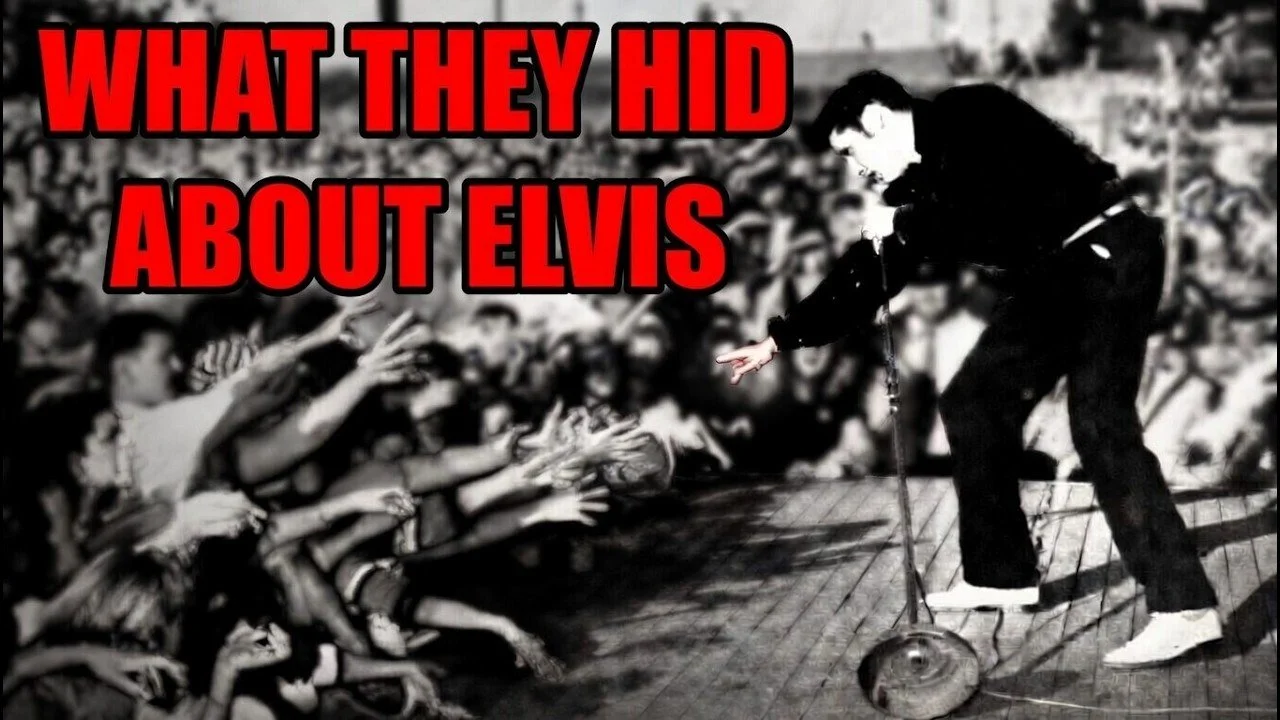
God-Fearing Southern Boy or Something Far Stranger?
Behind the rhinestones and rock anthems, Elvis Presley was on a lifelong mystical quest. Drawing on insights from The Occult Elvis by Miguel Conner, this article explores the King’s fascination with theosophy, meditation, healing, and esoteric Christianity—and how his hidden spiritual journey reshaped not only his life, but the soul of American music and counterculture.
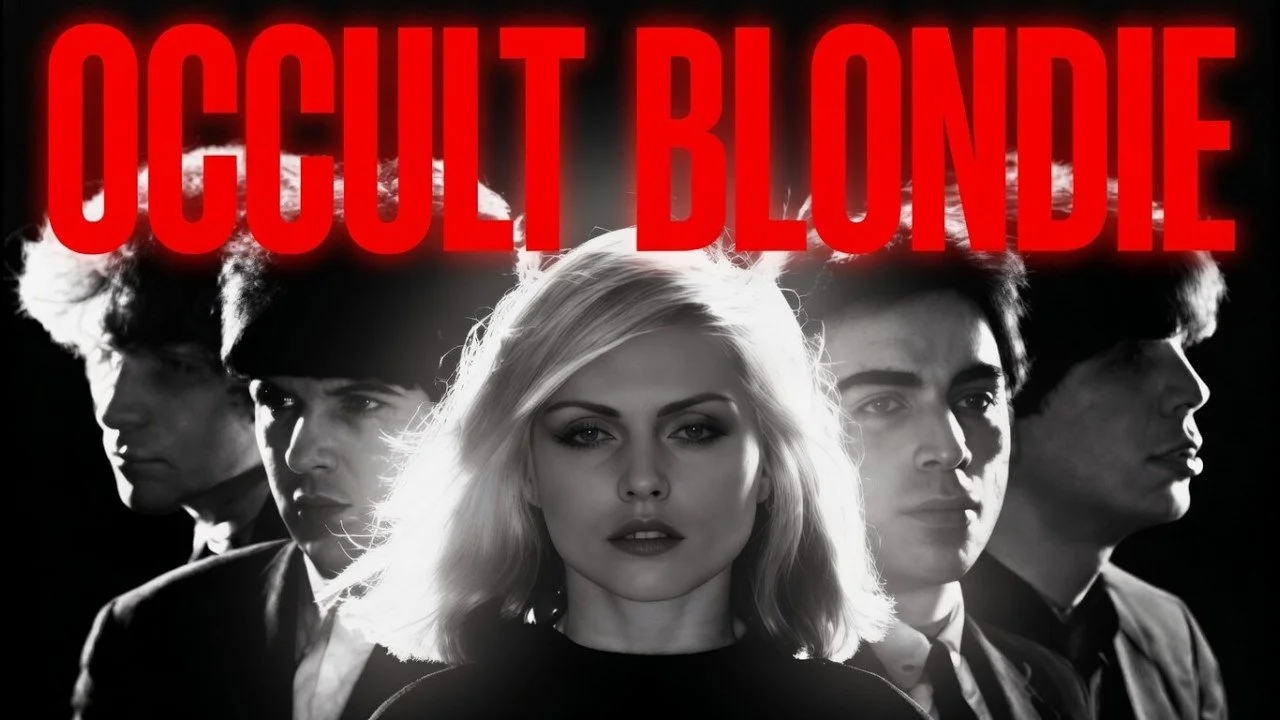
From Blondie to the Occult, Gary Lachman Confesses All.
What happens when a founding member of Blondie trades the raw electricity of 1970s punk rock for the quiet intensity of occult study? Gary Lachman’s life answers that question with surprising depth. From the neon chaos of New York’s Bowery to the disciplined practices of esoteric philosophy, Lachman’s journey is less a sharp turn than a steady unfolding—a search for meaning that began with poetry, pulsed through punk, and matured into a lifelong exploration of consciousness. His story reveals that the hunger driving artistic rebellion and spiritual awakening may be the same: a desire to pierce the surface of ordinary life and encounter something real, mysterious, and transformative beyond it.
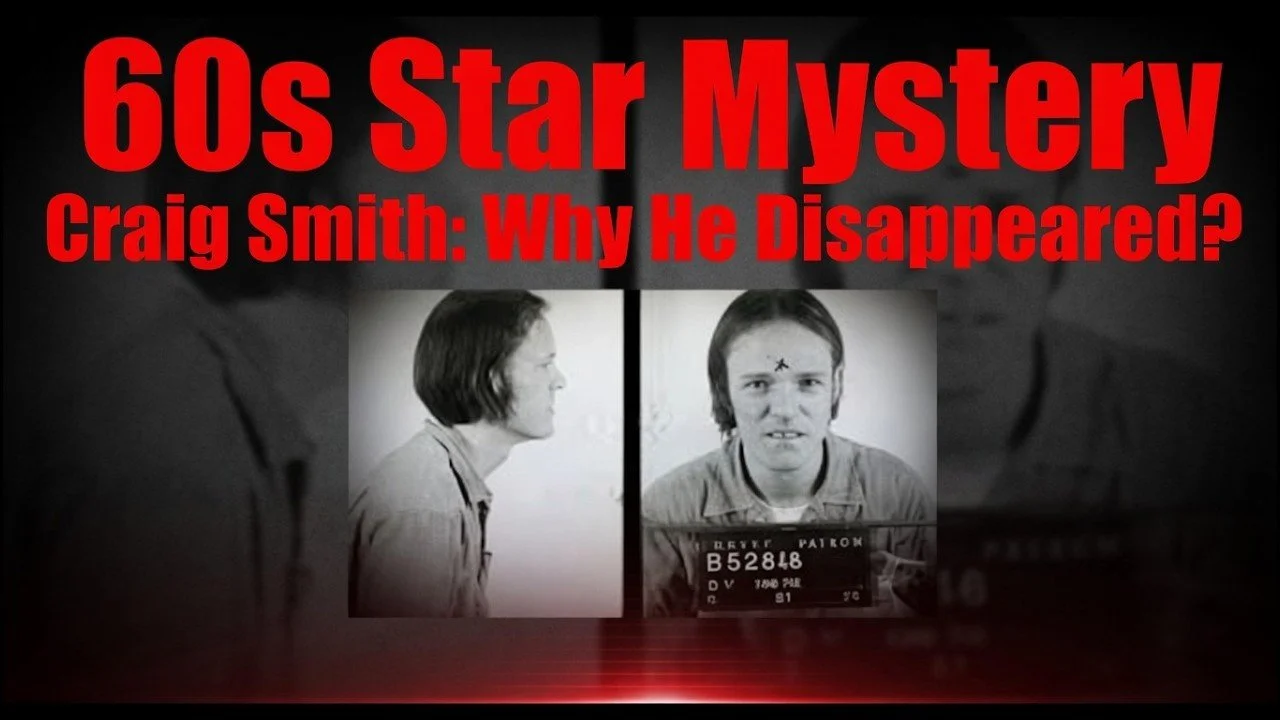
Why Did This 60s Pop Star Disappear? And then Reappear in a Shocking Way...
In the golden haze of 1960s Los Angeles, Craig Smith seemed destined for greatness. A gifted singer-songwriter with Hollywood connections and industry buzz, he brushed shoulders with The Byrds, The Monkees, and The Beach Boys—his future glittering with promise. But behind the folk-rock fairytale lay a darker story. After a psychedelic journey abroad and a traumatic attack overseas, Smith returned home transformed, spiraling into delusion and isolation. His haunting double album Apache Inca—pressed in tiny numbers and largely unheard—became both a masterpiece and a cry for help. Once poised for superstardom, Craig Smith vanished into obscurity, leaving behind one of the most tragic and fascinating stories in music history.
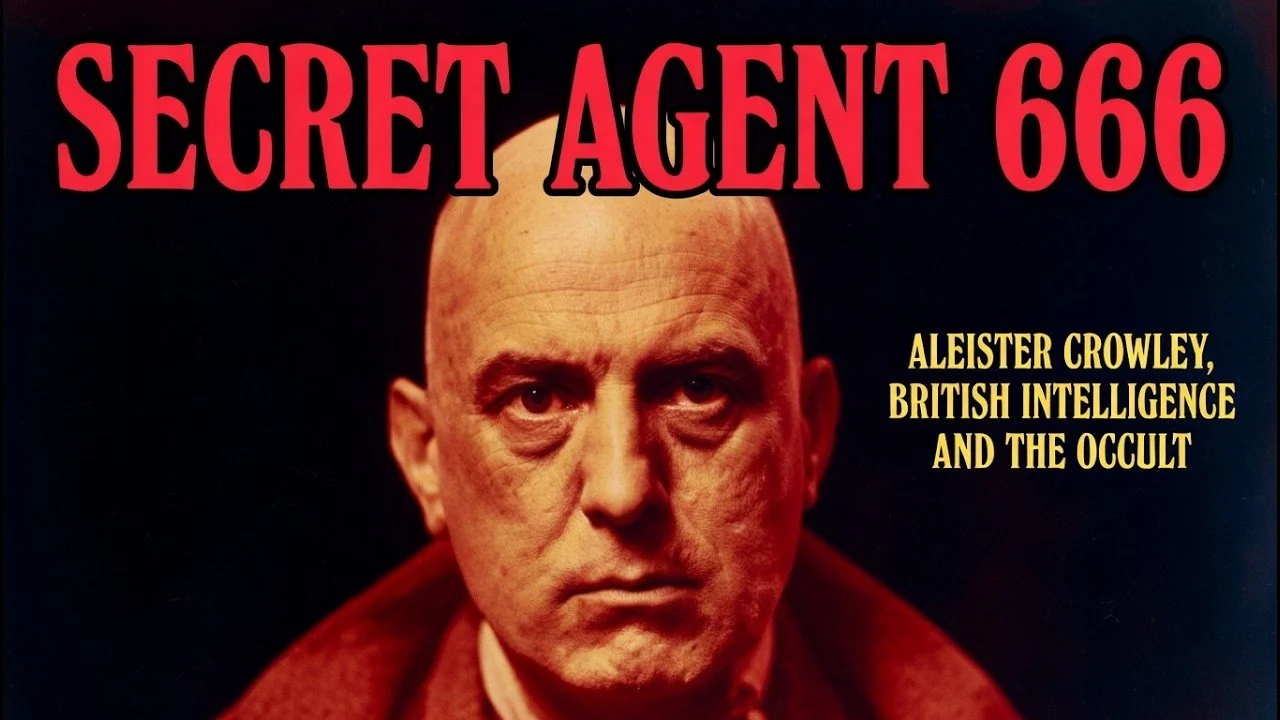
Aleister Crowley: British Spy or Double Agent?
Was Aleister Crowley truly the "wickedest man in the world" — or one of history's most elaborate double agents? Beneath the scandalous rituals, drug-fuelled escapades, and carefully crafted infamy lies a far more complex figure: a man who may have served British Intelligence as a covert asset, infiltrating German spy rings, manipulating wartime propaganda, and experimenting with psychological manipulation decades before the CIA's MKUltra ever existed. Drawing on historian Dr. Richard Spence's groundbreaking research, we unravel the extraordinary gap between Edward Alexander Crowley — the man — and the monstrous myth he built around himself. The real question isn't whether Crowley was good or evil. It's whether any of us can truly tell where the mask ends and the person begins.
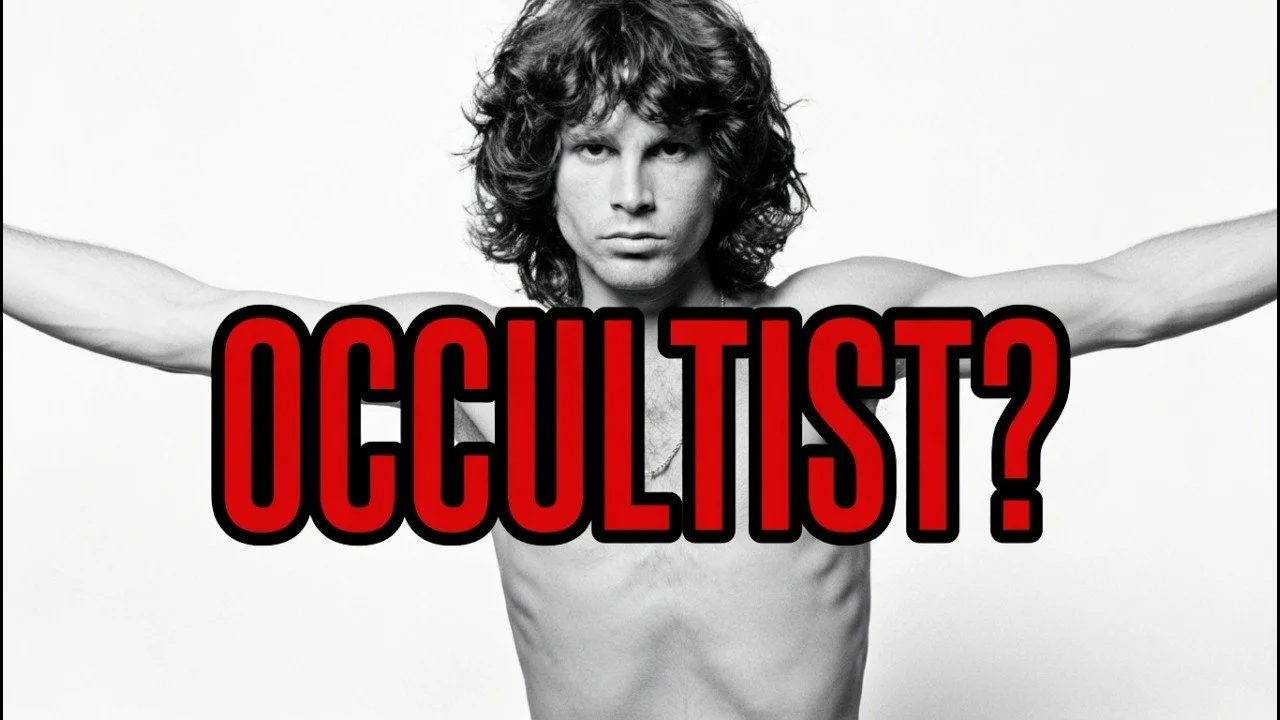
Jim Morrison: More Than Just a Rock Star?
Jim Morrison was more than a rock icon in leather pants—he was a seeker of hidden knowledge, a poet of the unseen, and perhaps a modern shaman disguised as a rock star. Behind The Doors’ hypnotic sound lay a restless intellect steeped in mythology, occult philosophy, and visionary art. From devouring books on magic and shamanism to transforming concerts into ritual-like awakenings, Morrison sought to “break on through” not just musically, but spiritually. Drawing on esoteric traditions and the archetype of the wounded healer, he blurred the line between performance and initiation, inviting audiences to glimpse realities beyond the ordinary. In exploring Morrison’s life and influences, we uncover a figure who stood at the crossroads of fame and mysticism—an enduring symbol of art as a gateway to the invisible.
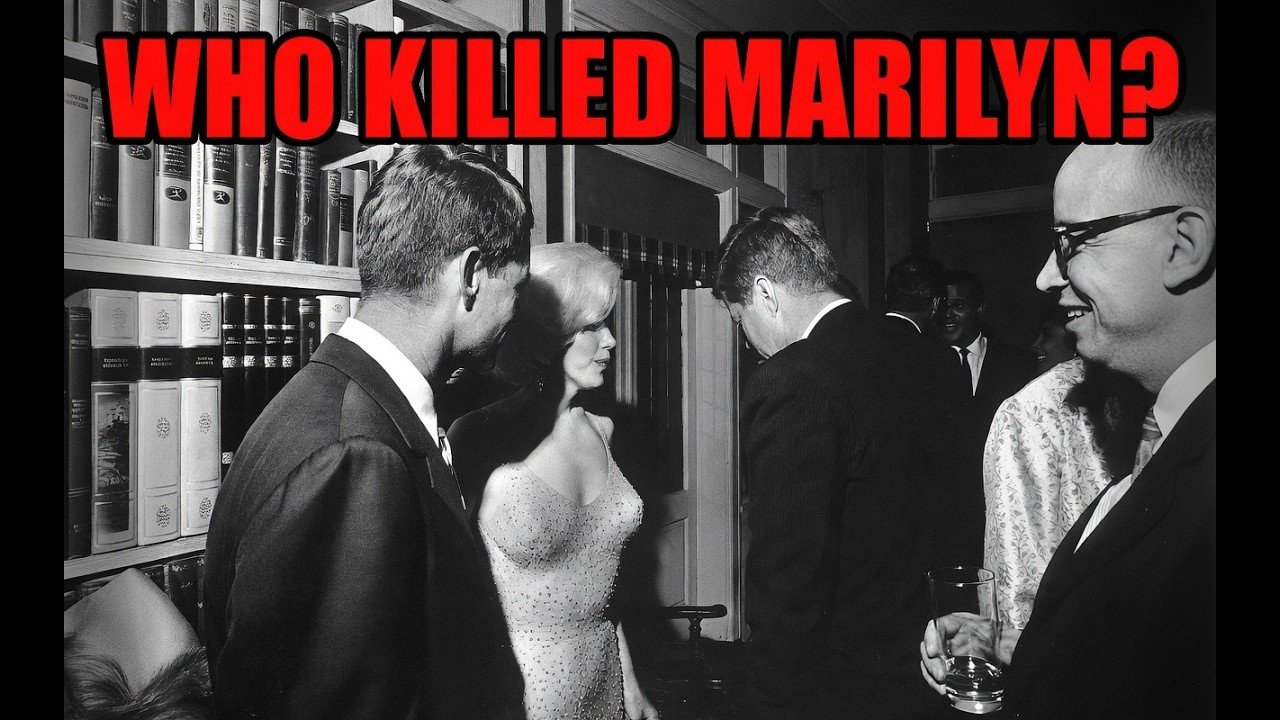
Marilyn Monroe: Overdose or Cover-Up?
Was Marilyn Monroe murdered? Former LAPD detective Mike Rothmiller alleges that suppressed evidence, secret surveillance, and ties to the Kennedy family reveal a decades-long cover-up. Explore the claims, the witnesses, and the disturbing details that challenge the official account of Hollywood’s most mysterious death.
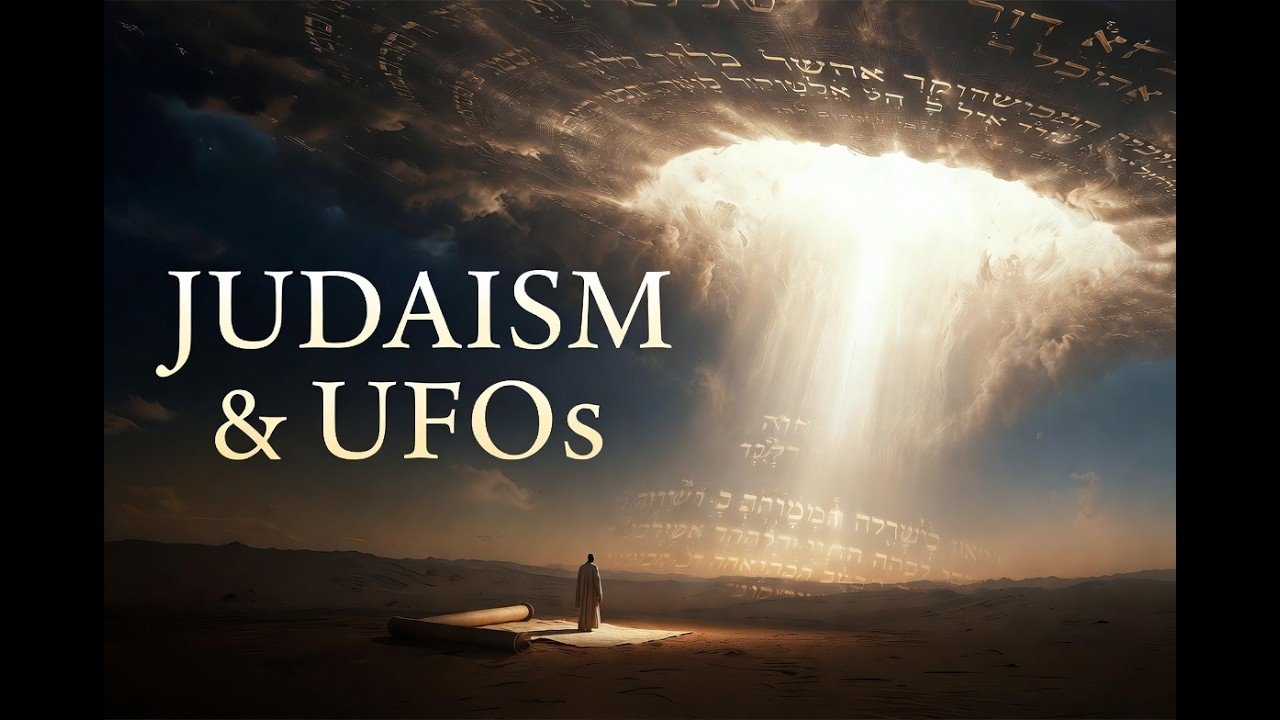
What Do Jews Think About Extraterrestrials?
What if the search for extraterrestrial life isn’t just a modern scientific quest, but a mystery explored for thousands of years within ancient Jewish texts? From the Talmud’s enigmatic reference to 18,000 worlds to Kabbalistic teachings about layered heavens and radiant beings, Judaism offers a surprisingly expansive vision of a universe alive with spiritual and possibly physical entities. This thought-provoking exploration uncovers how biblical visions, mystical traditions, and modern UFO speculation intersect—revealing a faith that doesn’t fear the cosmos, but invites us to question, wonder, and look deeper into the stars.
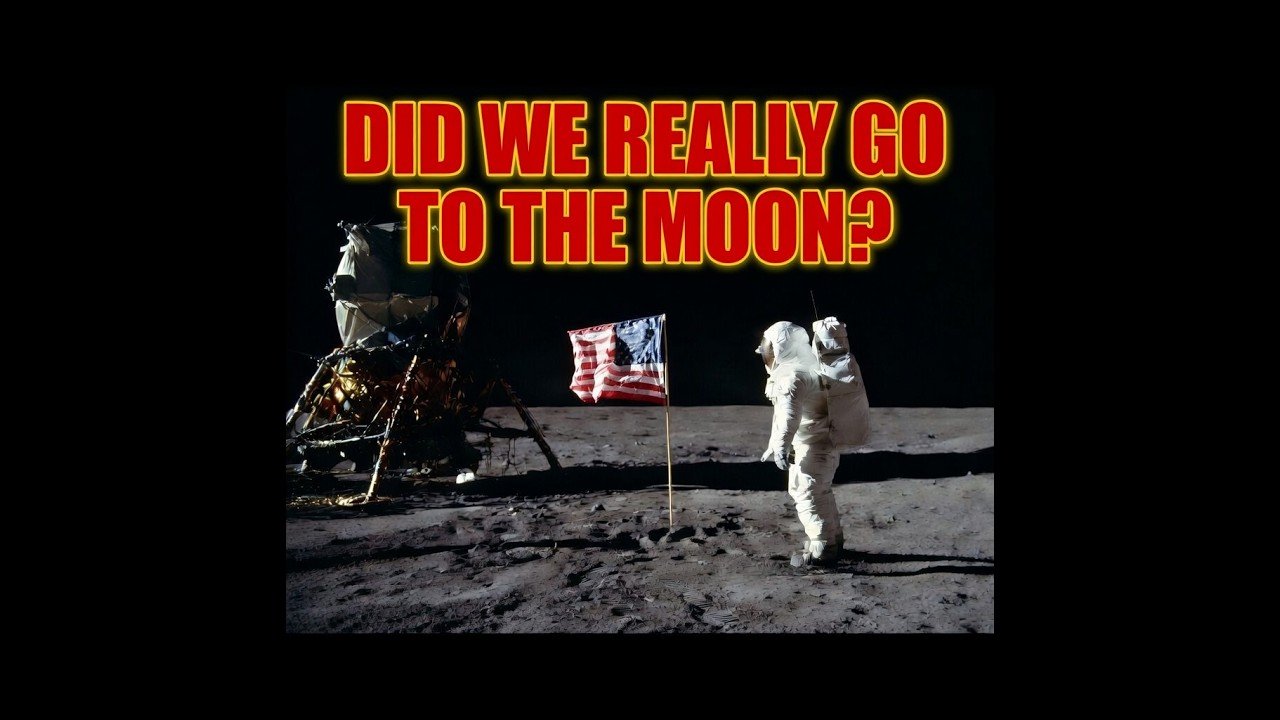
WHY Did the Moon Landings Have to be Faked?
Did we really walk on the Moon—or did the greatest achievement of the 20th century unfold on a soundstage? In Moon Landing Hoax? Bart Sibrel’s Case for Why We Never Left Earth, we explore the controversial claims of filmmaker Bart Sibrel, one of the most outspoken critics of NASA’s Apollo missions. From alleged “do not show” footage and whistleblower confessions to shadow anomalies in lunar photographs, Sibrel argues that the 1969 Moon landing was an elaborate Cold War illusion. Whether you’re a firm believer in Apollo’s triumph or curious about the doubts that persist more than fifty years later, this deep dive unpacks the evidence, the motives, and the enduring questions that continue to divide public opinion.